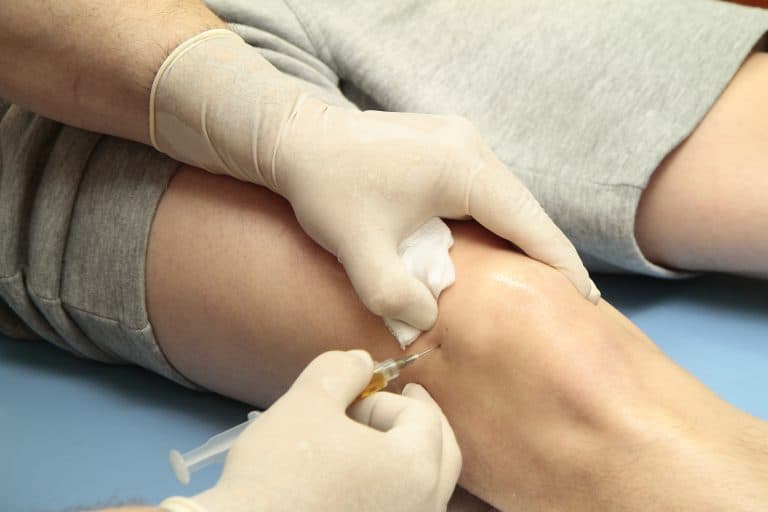



Innovations in Diagnosing and Treating Loose Knee Cartilage: A Molecular Perspective
Introduction: Why Loose Knee Cartilage Matters
The knee is one of our body’s most vital and complex joints, enabling us to walk, run, and jump comfortably. Central to its smooth function is cartilage—a tough, flexible tissue that cushions the bones and absorbs shock . But when this cartilage becomes loose or detached inside the knee, the result can be pain, instability, and frustrating loss of mobility.
Unlike general cartilage wear or arthritis, loose knee cartilage refers specifically to fragments that break away and move freely within the joint. Historically called "joint mice," these loose bodies can range from tiny to relatively large and can move around or get stuck in the joint. This can cause uncomfortable symptoms, such as the knee catching or locking. Thanks to exciting advances in molecular science, we now have a much clearer picture of the tiny biological changes that lead to this problem—and, more importantly, how we can detect and treat it more effectively. In this article, we’ll explore how a deeper look at cartilage biology is opening new doors for patients and doctors.
What Exactly Is Loose Knee Cartilage?
Loose knee cartilage occurs when fragments of the cartilage lining the knee joint become partially or fully detached, often due to injury, repetitive stress, or chemical imbalances within the joint. To understand why this is a problem, it helps to first look at what cartilage is made of.
Cartilage consists mainly of special cells called chondrocytes, which create and maintain a strong, flexible framework known as the extracellular matrix. This matrix is rich in collagen , which gives cartilage its strength, and proteoglycans, which help keep it hydrated and resilient.
When this matrix is damaged or breaks down, pieces of cartilage can separate and float inside the joint. These loose fragments can irritate surrounding tissues, cause swelling, and lead to pain or a “catching” sensation in the knee . While this condition can overlap with arthritis, loose cartilage is a distinct problem—and it requires targeted approaches to diagnosis and treatment.
Peeling Back the Layers: What Happens at the Molecular Level
To really understand why cartilage becomes loose, we need to zoom in at the molecular level. Normally, chondrocytes maintain a delicate balance between making new matrix material and breaking down the old. But when this balance tips—due to injury, inflammation, or aging—certain enzymes called matrix metalloproteinases (MMPs) and aggrecanases grow overactive, breaking down the collagen and proteoglycans that keep cartilage strong.
At the same time, inflammatory molecules like interleukin-1β (IL-1β) and tumor necrosis factor-alpha (TNF-α) can flood the joint, further fueling enzyme activity and slowing the cartilage’s ability to repair itself.
Researchers have identified specific molecular signals, or biomarkers, that indicate when this destructive process is happening. These biomarkers not only help us understand how cartilage becomes loose—they also provide new targets for therapies that could halt or even reverse the damage.
Free non-medical discussion
Not sure what to do next?
Information only · No medical advice or diagnosis.
New Ways to Spot Loose Cartilage Early
Doctors have traditionally relied on physical exams and imaging techniques like MRI to find loose cartilage . While useful, these methods often only detect the problem after significant damage is already done.
Molecular science is changing this approach. For example, testing the synovial fluid —the lubricating liquid inside the knee—can reveal elevated levels of cartilage breakdown products and inflammatory markers before any damage appears on an MRI. New imaging technologies also use molecular probes to highlight subtle biochemical changes in cartilage , allowing problems to be spotted at a much earlier stage.
These innovations mean patients can get diagnosed sooner, leading to earlier and more personalized treatment plans—and ultimately, better outcomes.

From Science to Solutions: Emerging Treatments
Traditionally, treatment for loose knee cartilage has focused on relieving symptoms and surgically removing loose fragments. But as we learn more about the biology of cartilage , new therapies are emerging that go beyond managing symptoms, aiming instead to heal and regenerate the damaged tissue.
One exciting area is regenerative medicine . Here, stem cells, growth factors, and specially designed biomaterials encourage the body to rebuild cartilage where it’s needed. Meanwhile, new drugs that block the destructive enzymes and inflammatory signals are helping to protect cartilage and support repair.
Even gene therapy is on the horizon, with researchers exploring ways to deliver healing genes directly into the cartilage. These new strategies offer hope for more effective, long-lasting solutions.
Looking Ahead: The Future of Knee Cartilage Care
Looking at loose knee cartilage through a molecular lens is transforming how we diagnose and treat this challenging condition. Detailed knowledge of the biological processes that lead to cartilage detachment has led to innovative tools for early diagnosis and spurred the creation of therapies that focus on real repair and regeneration.
As research advances, collaboration between scientists, doctors, and engineers will be vital in turning these breakthroughs into everyday care. With continued progress, the future looks promising for anyone affected by loose knee cartilage —paving the way to healthier, stronger knees.
References
Codman, E. A. (1903). The formation of loose cartilages in the knee joint. The Boston Medical and Surgical Journal, 149(16), 427-428. https://doi.org/10.1056/nejm190310151491603
Terry, H. (1844). Case of loose cartilage in the knee joint. BMJ, s1-8(30), 462-462. https://doi.org/10.1136/bmj.s1-8.30.462
Morgan, E. R. (1883). Loose cartilage in the knee-joint. The Lancet, 122(3135), 567.
Legal & Medical Disclaimer
This article is written by an independent contributor and reflects their own views and experience, not necessarily those of London Cartilage Clinic. It is provided for general information and education only and does not constitute medical advice, diagnosis, or treatment.
Always seek personalised advice from a qualified healthcare professional before making decisions about your health. London Cartilage Clinic accepts no responsibility for errors, omissions, third-party content, or any loss, damage, or injury arising from reliance on this material.
If you believe this article contains inaccurate or infringing content, please contact us at [email protected].
London Cartilage Clinic
Modern treatments, designed for lasting knee outcomes
Every treatment plan is selected to help you return to the quality of life you deserve. Our team combines up-to-date techniques with consultant-led decision making across cartilage repair, regeneration and replacement.
What your journey can look like
Step 01
Consultant-Led Assessment
Symptoms, imaging and goals reviewed in one structured appointment.
Step 02
Personalised Treatment Plan
A clear route chosen from repair, regeneration or replacement options.
Step 03
Precision Delivery
Modern techniques and specialist equipment matched to your diagnosis.
Step 04
Long-Term Knee Health
Follow-up guidance focused on durable function and quality of life.
Will the Arthrosamid work for me
PAAG-8+ Questionnaire
A bright, structured entry point for patients exploring Arthrosamid. The questionnaire helps frame suitability, expectations, and 24-month clinical benefit discussion before a fuller consultant-led review.
Designed for shared decision-making. It does not replace specialist consultation, examination, imaging review, or formal medical advice.